How to Stop Craving Sugar: Tactics That Don't Rely on Willpower
Here is how to stop craving sugar without white knuckling every afternoon. Measure how much added sugar you eat now. Log your cravings for one week and look for the times they repeat. Cut your single biggest source first, which is usually a drink. Expect most cravings to fade within one to two weeks.

How to Stop Craving Sugar in Four Steps
Most advice on sugar cravings starts at the moment of temptation. That is the hardest place to win. These four steps move the work earlier, where it is easier.
- Know your baseline. Find out how many grams of added sugar you eat on a normal day.
- Find your pattern. Log cravings for seven days and look at the week, not each day.
- Cut the biggest source first. One change to your drinks often beats ten small swaps.
- Give it two weeks. Taste adapts. What tastes normal now will taste too sweet later.
The rest of this guide walks through each step, plus the in-the-moment tactics that help while the bigger changes settle in.
Why Willpower Alone Fails
Cravings are not a character flaw. They are a loop. A cue shows up, the craving follows, you eat something sweet, and you feel better for a few minutes.
The loop then repeats, because it worked. That is why the same craving turns up at the same time each day. Your kitchen, your desk drawer, and your evening routine all keep the loop running.
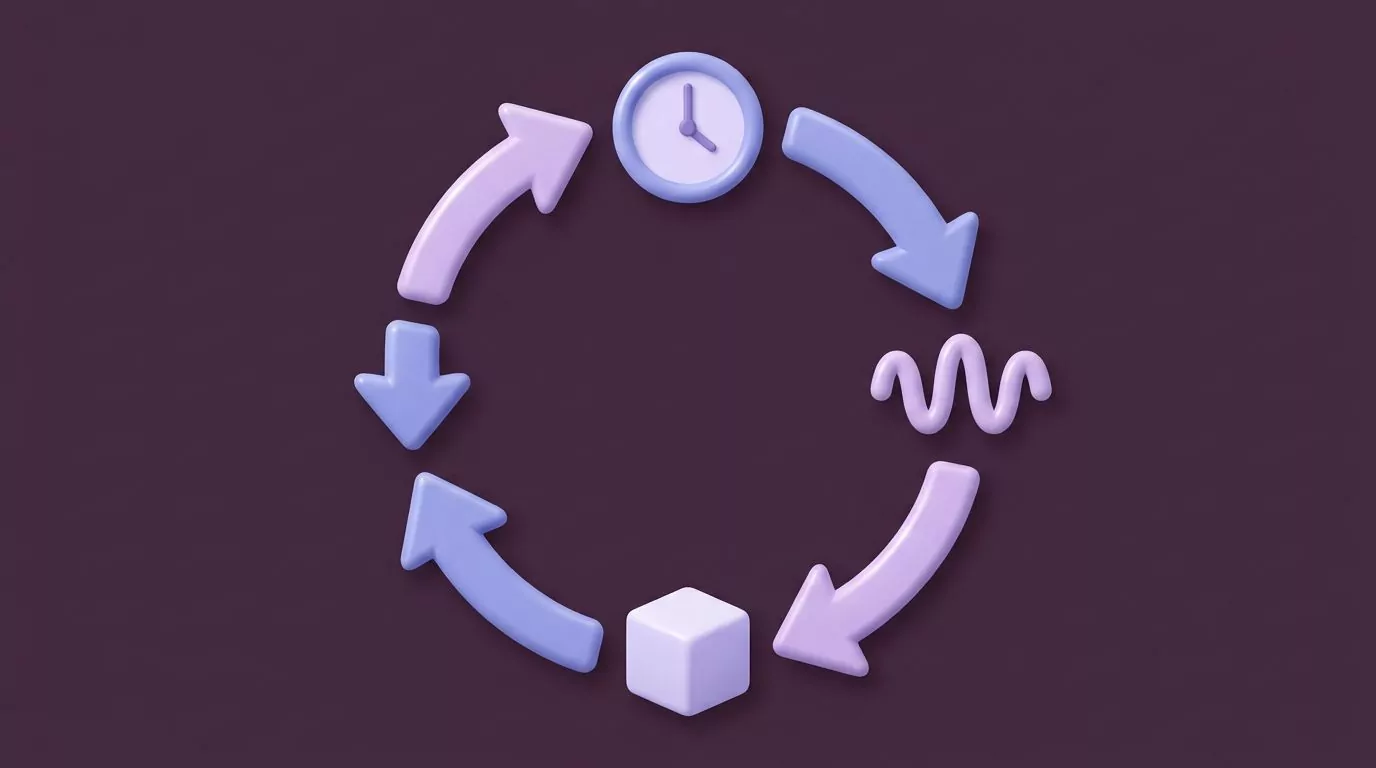
Three ordinary things make the loop louder. Short sleep, high stress, and long gaps between meals all leave you reaching for a quick lift. None of that is unusual, and none of it means something is wrong with you.
The NHS explains in Sugar: the facts that free sugars give energy with very little else. So the lift is real, and it is short. Then the cue comes round again.
You cannot out argue a loop. You can change what feeds it. That is what the next three steps do.
Step 1: Find Out How Much Sugar You Actually Eat
Almost nobody guesses this well. People who cut sugar often start with a number in their head that is far below the real one.
Start with the guideline limits, because they give you something to measure against. The World Health Organization advises keeping free sugars under 10% of your daily energy, which is about 50 g at 2,000 calories. WHO adds that dropping below 5%, roughly 25 g or 6 teaspoons, brings extra benefit.
The American Heart Association sets its added sugar limit at 25 g a day for women and 36 g for men. In the UK, the NHS advises no more than 30 g of free sugars a day for anyone aged 11 and over.
For scale, one teaspoon of sugar is about 4.2 g, and one sugar cube is about 4 g. A 330 ml can of cola holds roughly 35 g. That is one can against most of a daily limit.
Two quick ways to get your own number: the How Much Sugar Do You Eat? quiz takes about two minutes, and the Daily Sugar Intake Calculator turns your calorie needs into a personal limit in grams and teaspoons.
Write the number down. You will want it again in two weeks.
Step 2: Spot Your Craving Patterns, Not Your Bad Days
One bad day tells you nothing. Seven days tell you a lot. The point of a week of logging is to find the two or three moments that carry most of your sugar.
For one week, note three things each time a craving hits: the time, what you were doing, and how you felt. That is it. You are not scoring yourself.
Most people find the same handful of triggers. The mid afternoon dip. The first ten minutes after dinner. The drive home. A specific meeting.
Feelings count too. Diabetes UK covers this well in its guide to emotional eating, which suggests a food and mood diary to see what the craving is really asking for.
A paper log is fine. Print the printable sugar log and keep it on the fridge for seven days. If you prefer your phone, Sugar Lens, the iOS app in development from Sugar Tracker, estimates added sugar from a photo, asks you to confirm the entry, and shows a weekly view so single off days do not read as failure. The log stays on the device.
Either way, the output is the same: two or three named moments to work on, instead of a vague sense that you eat too much sugar.
Step 3: Remove the Biggest Sources First
Now spend your effort where the grams are. The FDA notes that for most people in the US, the main sources of added sugars are sugar sweetened drinks, baked goods, desserts and sweets.
Drinks usually top the list, and they are the easiest win. A drink rarely fills you up, so cutting it costs you very little.
Add up what you actually drink in a week with the Sugar in Drinks Calculator. Seeing the weekly total in sugar cubes lands harder than a single label does.
After drinks, the grams hide in savory food. Sauces, bread, ready meals and flavored yogurt all carry added sugar that you never taste as sweet.
Labels make this harder than it needs to be, because sugar has more than 70 names. Paste an ingredient list into the Hidden Sugar Finder and it flags them for you.
One NHS rule of thumb helps in the aisle: 22.5 g of total sugars per 100 g is high, and 5 g or less per 100 g is low. Their guide on how to cut down on sugar also caps juice and smoothies at 150 ml a day.
In-the-Moment Tactics That Actually Help
The classic tips are not wrong. They just work better once the pattern work is done. Here is what to try, and what each one is really good for.
| Trigger | In-the-moment tactic | Longer term fix |
|---|---|---|
| Mid afternoon slump | Eat a protein snack you packed that morning | Build more protein and fiber into lunch |
| Straight after dinner | Brush your teeth or make herbal tea | Plan a real dessert twice a week instead of nightly |
| Stress at work | Take a ten minute walk outside | Keep sweets out of the desk and off the counter |
| Sweet drink with every meal | Swap to sparkling water with lemon | Shrink the drink size in stages over three weeks |
| Late night snacking | Eat a proper dinner earlier | Aim for a steadier sleep and meal schedule |
| Boredom or scrolling | Wait twenty minutes, then decide | Keep fruit visible and sweets out of sight |
Be honest about the trade offs. The twenty minute delay works well for boredom cravings and badly for hunger cravings. Brushing your teeth helps at night and does nothing at 3pm.
What to eat to stop sugar cravings is less about a magic food and more about not arriving hungry. Protein and fiber at meals keep the gap between meals from turning into a hunt.
Fruit is a fair swap. Whole fruit brings water and fiber with its sugar, so it is not the same as a chocolate bar, though portions still count. The Fruit Sugar Chart shows the range across 50 or so fruits.
For everything else, the Sugar Swap Finder gives you a lower sugar version of the thing you actually want, which beats being told to eat an apple instead.
What to Expect Week by Week
This part gets left out of most articles, and it is the part people need. Knowing the shape of the next two weeks makes them much easier to sit through.
Days 1 to 3. The hardest stretch. Cravings hit at the old times because the cues are still there. Plan those slots in advance rather than deciding in the moment.
Week 1. Cravings still arrive, but they are shorter. This is where the pattern log pays off, because you already know when to expect them.
Week 2. Taste starts to shift. Drinks and snacks you liked last month begin to read as too sweet. Nothing is being flushed or reset here. Your palate is simply adjusting to a lower level.
Week 3 and beyond. The old cues fire less often. New defaults do the work that willpower was doing.
If you want the weeks laid out with dates, the Sugar Detox Planner builds a 7, 14 or 30 day plan you can print. Treat it as a behavior change schedule, not a cleanse. And if streaks motivate you, the sugar free streak tracker counts days without turning one slip into a reset.
When Cravings Might Mean Something More
Most sugar cravings are ordinary. A few are worth a conversation with a professional.
Talk to your doctor if cravings come with unusual thirst, sudden weight change, or persistent fatigue, or if they started alongside a new medication. Those are questions for a clinician, not a blog.
It is also worth asking for help if eating feels out of control, if you eat in secret, or if food is followed by guilt and purging. The NHS overview of eating disorders lists the signs and where to go next. Nothing in this guide is medical advice, and no app can diagnose anything.
Frequently Asked Questions
How long does it take to stop craving sugar?
For most people the first 48 to 72 hours are the hardest, and cravings ease noticeably over one to two weeks as taste adapts. The old cues can still fire for a month or more, which is normal and not a sign of failure.
Should I quit sugar cold turkey or taper?
Both work, and the right answer depends on you. Cold turkey suits people who find half measures harder, while a taper suits anyone with a daily habit such as sweetened coffee. The NHS approach to cutting down leans toward gradual change, since it is easier to keep.
What deficiency causes sugar cravings?
No nutrient deficiency has been shown to cause sugar cravings. Magnesium, chromium and l-glutamine come up often online, but the evidence is weak, and no major health body recommends supplements for cravings. If you think a medical reason is behind yours, ask your doctor rather than a supplement label.
Why do I crave sugar at night?
Evening cravings usually come from a light dinner, a long day of stress, short sleep, or simple habit tied to the sofa. Learning how to stop craving sugar at night is mostly about the hours before: eat enough at dinner, and change what happens in the first ten minutes after you finish.
Does fruit count as sugar I need to cut?
No. WHO counts free sugars, which covers added sugar plus honey, syrups and fruit juice, but not the sugar inside whole fruit or milk. Whole fruit is a reasonable swap when you want something sweet.
Start With Your Number
Every step above works better once you know where you are starting from. Guessing keeps you in the willpower fight.
Take the two minute sugar quiz to get your rough daily intake, then set your personal limit with the Daily Sugar Intake Calculator. Log one week after that, and you will know exactly which two moments to change.