Sugar Withdrawal Symptoms: What to Expect and How Long They Last
Sugar withdrawal symptoms are the short term effects many people report when they cut added sugar sharply. The common ones are strong cravings, headache, low energy, a short temper, and a dip in mood. Most people feel the worst in the first few days. Symptoms usually ease within one to two weeks.

What follows is what people actually report, what the guidelines say, and what helps. No toxin flushing, no three day resets.
Is Sugar Withdrawal Real?
"Sugar withdrawal" is an everyday phrase, not a clinical diagnosis. No major health body lists it as a condition, and there is no test for it. That does not mean the symptoms are imaginary. It means the label is looser than it sounds.
The science is genuinely unsettled. A 2016 review in the European Journal of Nutrition, Sugar addiction: the state of the science, looked at the animal work and the human work side by side. In rats, withdrawal like behaviour shows up, but only when sugar access is on and off rather than constant. In people, the authors found little evidence to support sugar addiction at all.
A more recent review, About Sugar Addiction (Brain and Behavior, 2025), takes the parallels more seriously. It notes that sweet foods light up the brain's reward pathways, and that heavy long term intake may shift how those pathways respond. Note the "may". Even the sympathetic reviews hedge.
The honest version: the effects people feel are real and common, and the cause is probably a mix. Blood sugar moves around after a big diet change. Habit cues fire at the times you always had something sweet. A routine you leaned on is gone. You do not need a diagnosis to take that seriously.
How Much Sugar Are You Actually Cutting?
Most articles on this topic skip the numbers, which is a mistake. The size of the drop shapes how rough the first week feels.
The WHO guideline on sugars intake asks adults to keep free sugars under 10% of daily energy. At 2,000 calories that is about 50 g a day. The WHO adds a further suggestion: getting under 5%, roughly 25 g, brings extra benefit. The American Heart Association lands near the lower figure too, at about 25 g a day for women and 36 g for men.
Now the reality. Harvard's Nutrition Source puts average added sugar intake at roughly 17 teaspoons a day, close to 70 g. One teaspoon is about 4.2 g. A 330 ml can of cola is around 35 g on its own.
Going from 70 g to 25 g is not a tweak. It is cutting your intake by two thirds, often in one go. If you want your own number rather than an average, the sugar intake calculator turns your calorie needs into a daily gram limit using those same guidelines.
Common Sugar Withdrawal Symptoms
People report a fairly consistent set of quitting sugar side effects. Not everyone gets all of them, and plenty of people barely notice anything.
Cravings
Nearly everybody gets these. Cravings tend to arrive at specific times: after lunch, mid afternoon, or in the evening in front of the TV. That timing is a clue. It points at habit as much as at chemistry.
Headaches
A sugar withdrawal headache is usually described as dull and steady, sitting across the forehead or behind the eyes. It often shows up in the first two or three days. Skipped meals and low fluids make it worse, and both are easy to slip into when you are rethinking what you eat.
Fatigue and Brain Fog
Low energy and slow thinking are common early on. If you were relying on a sweet snack for a mid afternoon lift, losing it is noticeable. Your energy is not gone, it is just no longer arriving in spikes.
Mood Changes
Feeling irritable, flat, or a bit anxious is normal in week one. Some people describe it as being easily annoyed by small things. It tends to settle as the days pass, and it settles faster if you are sleeping properly.
Sleep Changes
Sleep goes either way. Some people fall asleep faster once late night snacking stops. Others wake more in the first week. Both usually level out.
Appetite Shifts
Meals may feel less satisfying at first, because a lot of sweetness has vanished from your day. Hunger can also show up at odd hours. This is one of the sugar detox symptoms that fades quickest, often within a week.
Here is how those pieces usually line up. Treat this as what people commonly report, not as clinical stages.
| Symptom | Typical onset | Typical duration | What often helps |
|---|---|---|---|
| Cravings | Within a day | Strongest in week 1, fading over 2 to 4 weeks | Protein at meals, a planned swap, riding out the urge |
| Headache | Day 1 to day 3 | 2 to 5 days | Water, regular meals, enough sleep |
| Low energy | Day 1 to day 3 | Up to a week | Steady meals, a lighter schedule, earlier bedtime |
| Short temper or low mood | Day 2 to day 4 | 3 to 7 days | Sleep, a daily walk, telling people what you are doing |
| Poor focus | Day 2 to day 5 | Up to a week | Smaller tasks, food on time, no late caffeine |
| Broken sleep | Day 2 to day 7 | Up to 2 weeks | Fixed wake time, wind down routine, no screens in bed |

Sugar Withdrawal Timeline: Week by Week
Here is a sugar withdrawal timeline. Read it as a rough shape, not a schedule. Individual variation is large, and how far you dropped your intake matters more than any calendar.

Days 1 to 3
This is the steep part. Cravings hit hardest, and headaches are most likely now. Energy dips and you may feel foggy in the afternoon. Keep the bar low for these three days and get to bed early.
Days 4 to 7
The physical side usually starts easing. Headaches fade for most people. What remains is habit: the empty moment after dinner, the vending machine on the way past. This is where a plan beats willpower.
Week 2
Most people feel noticeably better here. Energy is steadier across the day, mood is closer to normal, and cravings drop from constant to occasional. Foods that once tasted normal may start tasting very sweet.
Weeks 3 to 4 and Beyond
By now the day to day feels ordinary again. Cravings mostly show up around specific triggers rather than at random: a birthday cake, a bad day, a long drive. That is the point where this becomes a habit question instead of a symptom question.
If you would rather not guess your way through those four weeks, the sugar detox planner builds a 7, 14, or 30 day plan with phase by phase expectations. It is a structure for changing a habit, not a medical programme.
How Long Does Sugar Withdrawal Last?
For most people, the worst of it lasts three to seven days, and the whole thing settles within two weeks. Cravings are the outlier. They can flare occasionally for a month or more, especially around old triggers.
Three things stretch it out. The first is the size of the cut: dropping 70 g to zero is harder than dropping 70 g to 40 g. The second is sleep, because short nights reliably make cravings louder. The third is hidden sugar, which keeps your intake bouncing around without you noticing.
That last one is worth checking. Sugar hides under more than 70 names on ingredient lists, from maltodextrin to fruit juice concentrate. Pasting a label into the hidden sugar finder takes a few seconds and often explains why week two feels like week one.
Cold Turkey vs Cutting Back Gradually
Both work. They just fail in different ways, and nobody should be moralising at you about which one to pick.
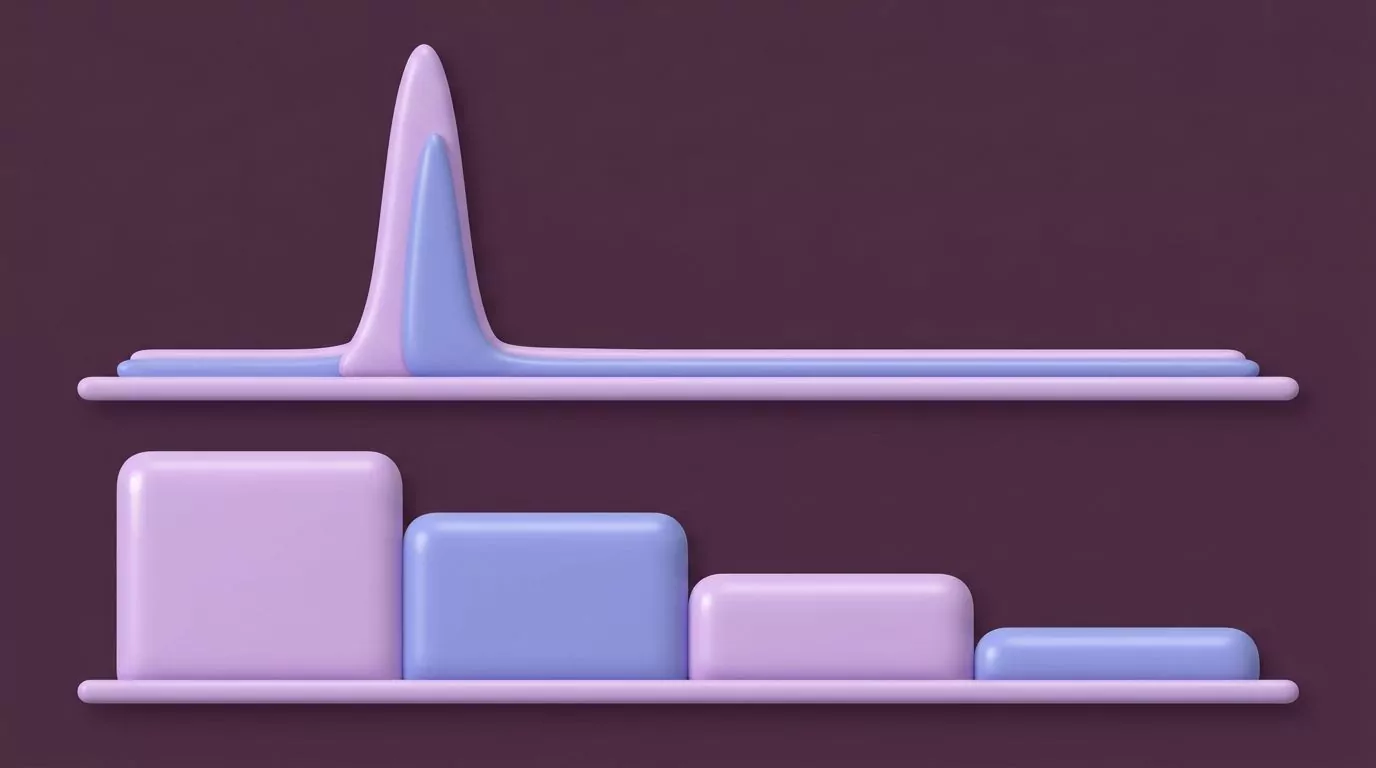
Going cold turkey front loads the discomfort. The first three days are rougher, but you are through the worst quickly and the change is obvious enough to feel like progress. The risk is the rebound. An all or nothing week often ends in an all or nothing weekend.
Cutting back gradually spreads the same reduction over three or four weeks. Halve your usual sugary drink, then halve it again. Symptoms stay mild, sometimes absent. The risk is drift: without a target, "cutting back" quietly becomes "cutting back a bit less".
A middle path works for most people. Pick one big source, usually drinks, and cut it hard. Leave everything else alone for two weeks, then take the next source. That gives you one sharp change to adapt to instead of five at once. The sugar in drinks calculator shows what each drink costs against your daily limit.
How to Make Sugar Withdrawal Easier
None of this is exotic. It is the boring stuff, which is also the stuff that works.
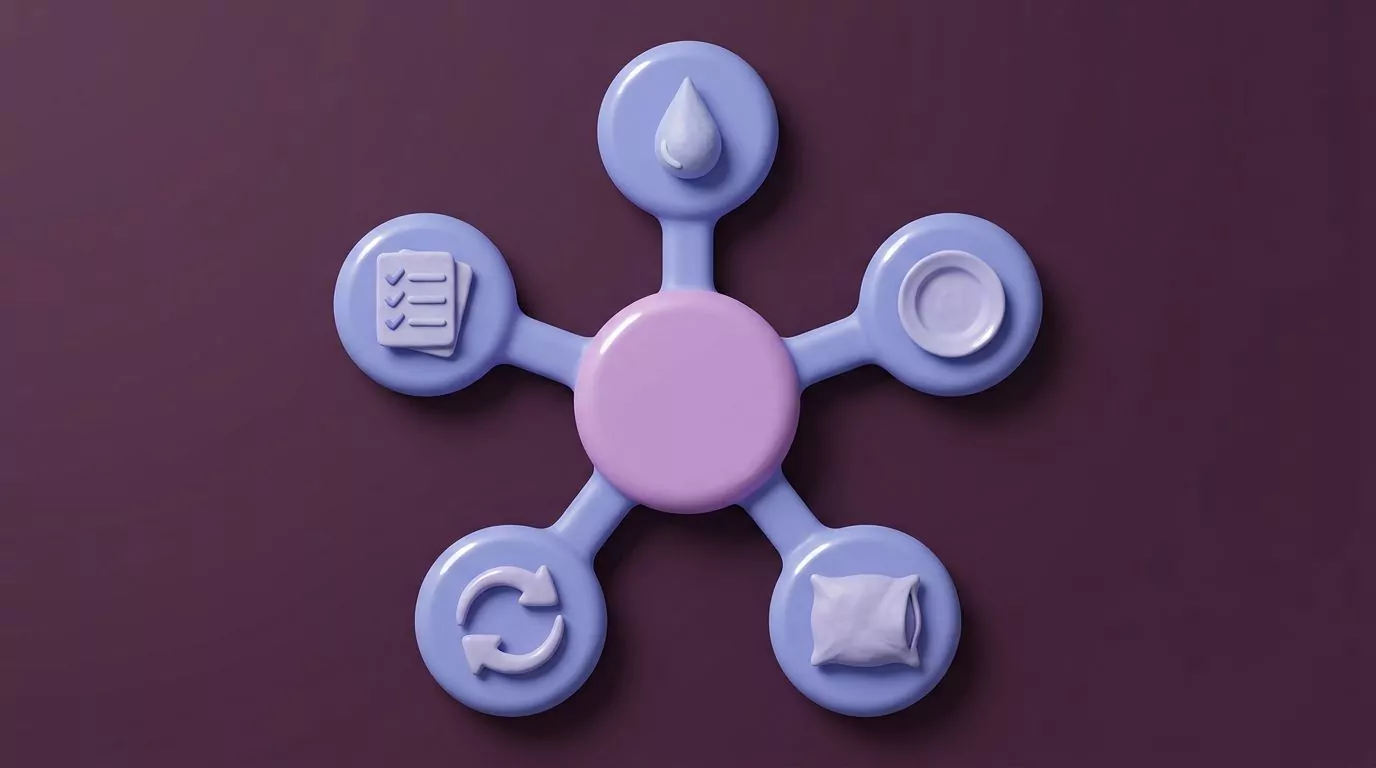
- Drink water first. Thirst is easy to read as a craving, and mild dehydration can bring on a headache by itself.
- Put protein and fibre in every meal. Eggs, beans, yoghurt, oats, vegetables. They keep you full for longer, so the afternoon dip is smaller.
- Eat on a schedule. Skipping lunch to "be good" is the single most reliable way to end up eating biscuits at four o'clock.
- Guard your sleep. The NHS has practical tips for fighting fatigue, and short nights make cravings much harder to ignore.
- Plan the swap before the craving. Decide now what happens at 3pm. Fruit, a handful of nuts, plain yoghurt, or a walk round the block.
- Measure it instead of guessing. Most people underestimate their intake badly, and a number on a page is easier to argue with than a feeling.
For the swap part, the sugar swap finder matches specific cravings to lower sugar options, which beats staring into the fridge at the exact moment your judgement is worst. The NHS also has a solid list of everyday ideas for cutting down on sugar.
On the tracking side, added sugar is now printed on most labels, so the number is usually right there. The FDA explains the added sugars line and how it differs from total sugars. If you want a running total rather than a one off check, Sugar Lens is an added sugar tracker in development for iOS that estimates grams from a photo of your food and asks you to confirm the entry before it saves.
When to Talk to a Doctor
Cutting added sugar is a normal dietary change for most healthy adults, and it does not usually need supervision. Still, a few situations deserve a conversation.
- You manage a condition affected by what you eat, such as diabetes, or you take medication that interacts with your diet. Talk to your clinician before making a big change.
- Symptoms are severe, or they last well beyond two or three weeks.
- You feel faint, shaky, or unwell in a way that does not match the mild effects described here.
- Food or eating has started to feel distressing or controlling.
The NHS page on sugar is a good plain English starting point. This article is general information, not medical advice.
Frequently Asked Questions
What does a sugar withdrawal headache feel like?
People usually describe a dull, steady ache across the forehead or behind the eyes, rather than a sharp or throbbing pain. It tends to appear in the first two or three days and pass within a few days. Missed meals and low fluid intake often make it worse.
Is sugar withdrawal dangerous?
For most healthy adults, no. The reported effects are uncomfortable rather than harmful, and they fade on their own. If you manage a medical condition, take medication affected by diet, or feel genuinely unwell, speak to a clinician rather than pushing through.
Can quitting sugar cause flu like symptoms?
Some people report sugar withdrawal flu like symptoms in the first few days: aches, tiredness, headache, and a foggy head. These overlap with what happens when anyone eats less, sleeps badly, or drinks too little water. A real fever is not part of this and deserves a different explanation.
Does fruit count?
Whole fruit is not the target. Guidelines are aimed at free and added sugars, which is the sugar added to food plus what is in honey, syrups and fruit juice. Whole fruit brings fibre and water with it, and it is a useful swap during the craving window.
Do these symptoms mean I was addicted to sugar?
Not necessarily. As the reviews above show, sugar addiction in humans is still debated, and habit strength alone explains a lot of what people feel. A strong reaction to change tells you the habit was well established. It does not tell you that you had a dependency.
What to Do Next
Expect a rough few days, a better second week, and an ordinary third week. Cut one big source rather than five small ones.
If you would rather work from a plan than from willpower, find your daily gram limit with the sugar intake calculator, then map the next few weeks with the sugar detox planner. Both take about a minute.